
· 4 min read
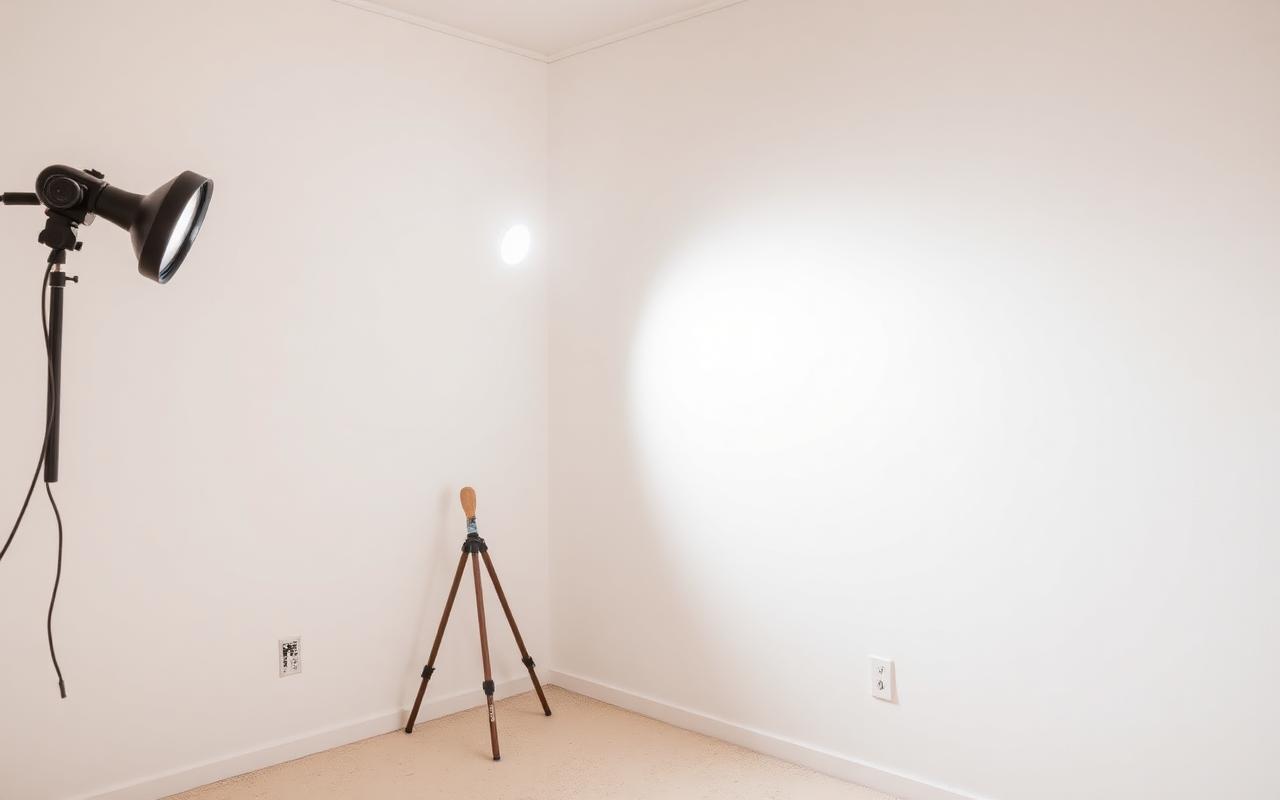
Finish levels are the industry's way of describing how much work goes into a drywall surface before paint. They run from level 0 up to level 5. Most residential rooms land at level 4. Level 5 is the top of the scale, and it exists for a specific reason.
The levels in short
- —Level 0: board hung, no taping. Temporary construction only.
- —Level 1: tape set in compound at joints. Common above ceilings and in concealed spaces.
- —Level 2: tape plus one coat over joints and fasteners. Used in garages and behind tile.
- —Level 3: two coats over joints. Suited to heavy textures, rarely used under flat paint.
- —Level 4: three coats, sanded smooth. The standard for most painted residential walls.
- —Level 5: level 4 plus a thin skim coat across the entire surface.
Why level 5 exists
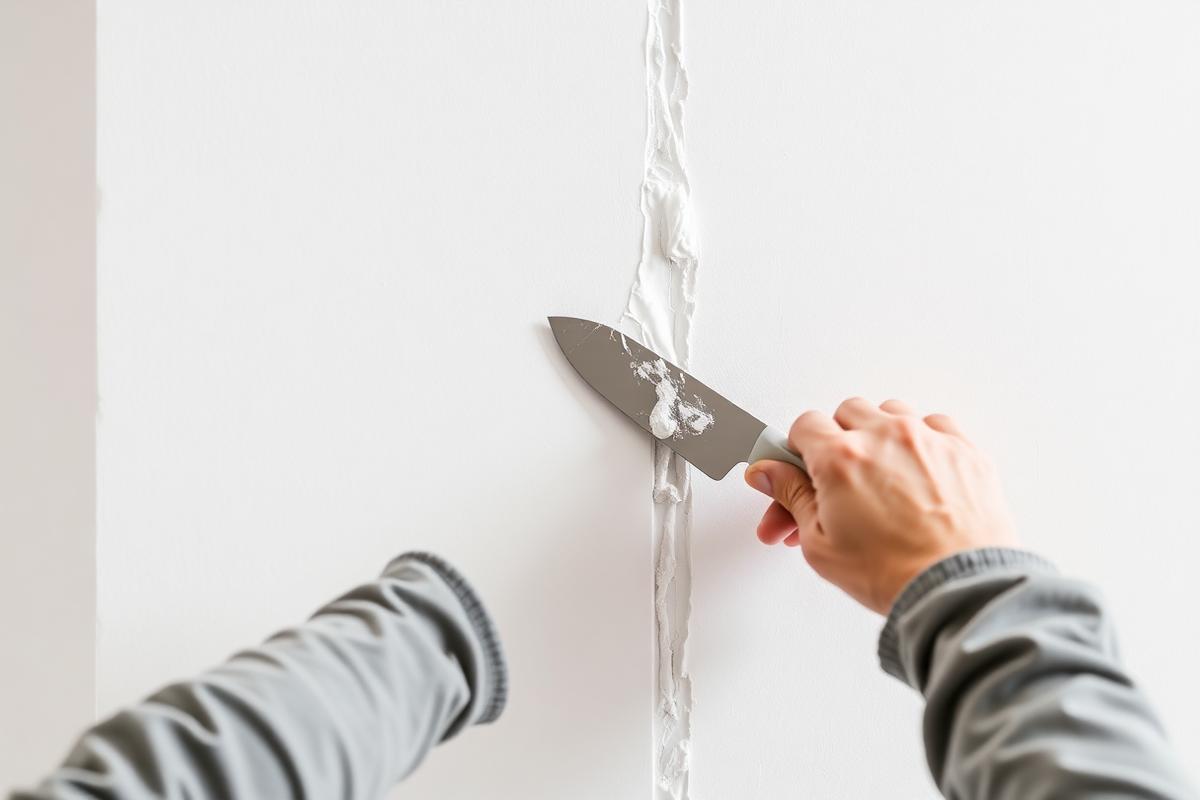
At level 4, the wall is made of two materials: the paper face of the board and the dried compound over the joints and screws. Those two materials absorb primer and paint slightly differently. Under normal room light with a matte paint, nobody notices. Under raking daylight, or under a satin or semi-gloss sheen, the difference can show as faint bands where the joints are.
Level 5 solves that by covering everything with a thin skim so the whole wall is one material. Primer then sits uniformly, and the finished paint reads evenly across the surface.
When to specify level 5
- —Long walls facing a window, where afternoon light rakes across the surface
- —Rooms with significant artificial wall washing, such as tall ceilings with downlights close to the wall
- —Any surface getting a satin, eggshell with sheen, or gloss paint
- —Dark paint colors, which show surface variation more readily than pale ones
- —Feature walls where the finish is part of the design
When level 4 is the right call
Bedrooms with moderate light and flat paint, hallways, closets, utility rooms and most ceilings that will be painted flat white do not need a level 5 skim. Specifying it everywhere adds cost and time without a visible return. A good estimate should tell you where the extra step is worth it and where it is not.
Level 5 versus veneer plaster
They sound similar because both cover the whole surface, but they are different materials doing different jobs. Level 5 is a thin coat of joint compound over a finished drywall wall. Veneer plaster is a harder material applied over blueboard as part of a plaster system. Level 5 improves how the wall takes paint; plaster also changes how the wall resists impact.
What the extra step involves on site
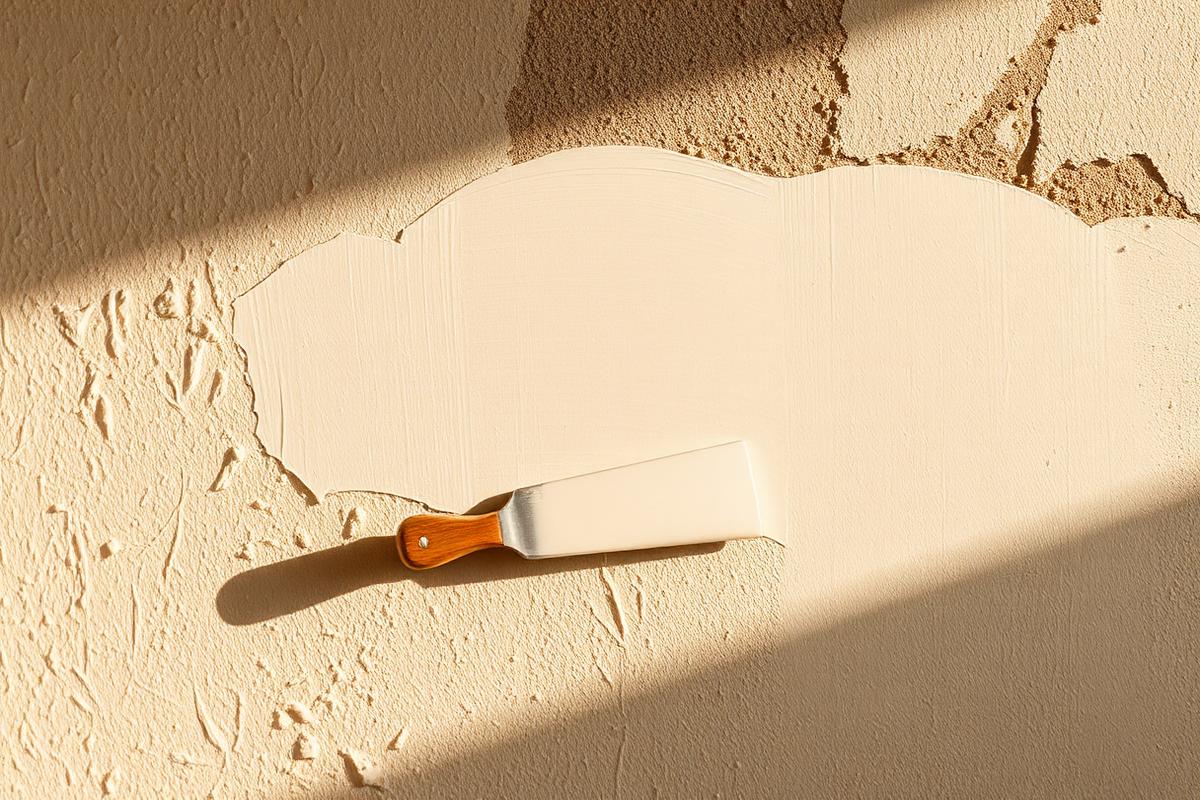
A level 5 skim is not a fourth coat over the joints. The compound is spread thin over the entire wall, then pulled tight so almost all of it comes back off, leaving a film that fills the paper texture and the faint hollows around each fastener. It is then sanded lightly and dusted before primer. Because it covers everything, it also adds a full drying stage and a full sanding stage to the schedule for that room.
Primer matters more at level 5 than people expect. A thin skim is absorbent, and a cheap primer can flash unevenly and undo the benefit of the extra coat. If you are hiring the painting separately, it is worth telling the painter that the walls are skimmed so they choose the right primer.
How to ask for what you want
You do not need to use the terminology. Describing the room does more: where the windows are, how tall the ceiling is, what paint sheen you have chosen, and whether the wall is a feature or just a wall. That gives whoever is quoting enough to recommend a level and price it honestly.
It also helps to say what has bothered you about walls in the past. If you have lived with a room where the seams appeared every afternoon, say so. That single sentence tells a contractor more about your expectations than any specification number.
LS Plastering & Finishes finishes drywall to the level a room genuinely needs across Massachusetts, New Hampshire, Maine and Vermont, and the estimate states the level being priced.