
· 4 min read
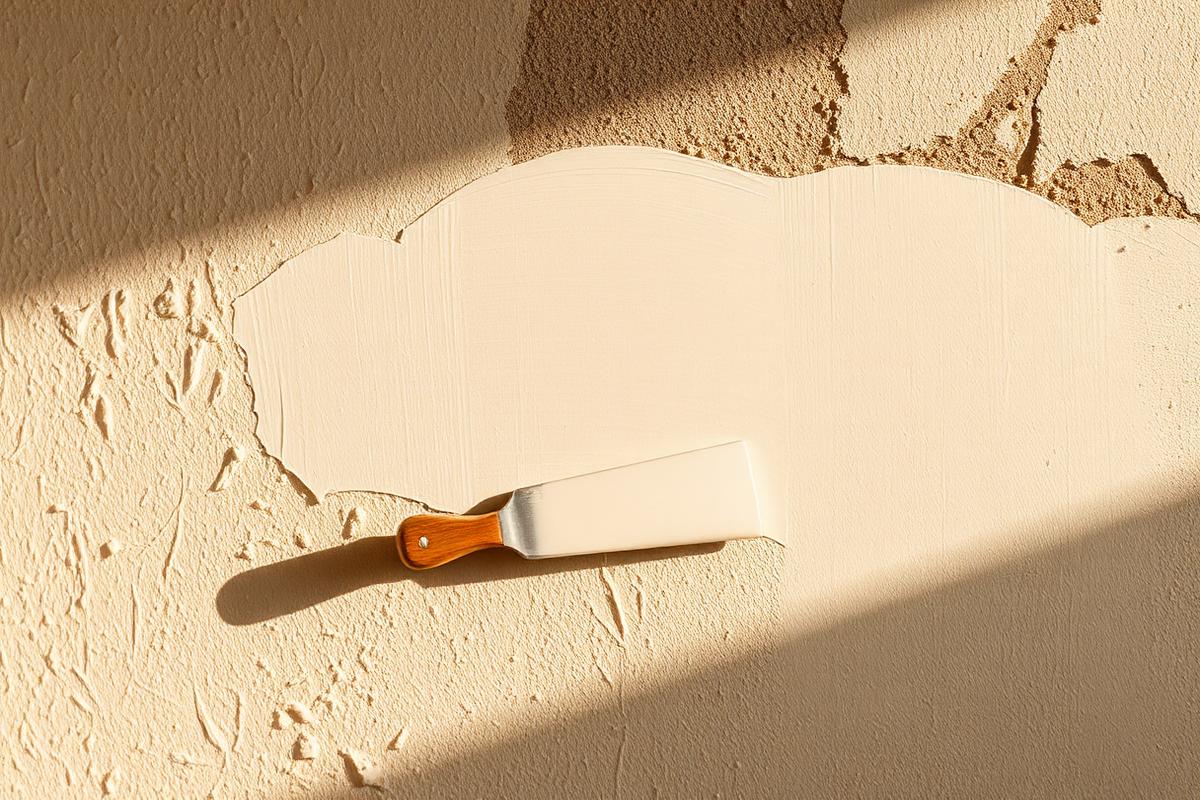
When a wall or ceiling looks bad, there are usually two credible paths: resurface what is there, or take it out and start again. Both are legitimate. The right answer depends on the condition of the substrate, not on which option sounds cheaper.
What skim coating actually does
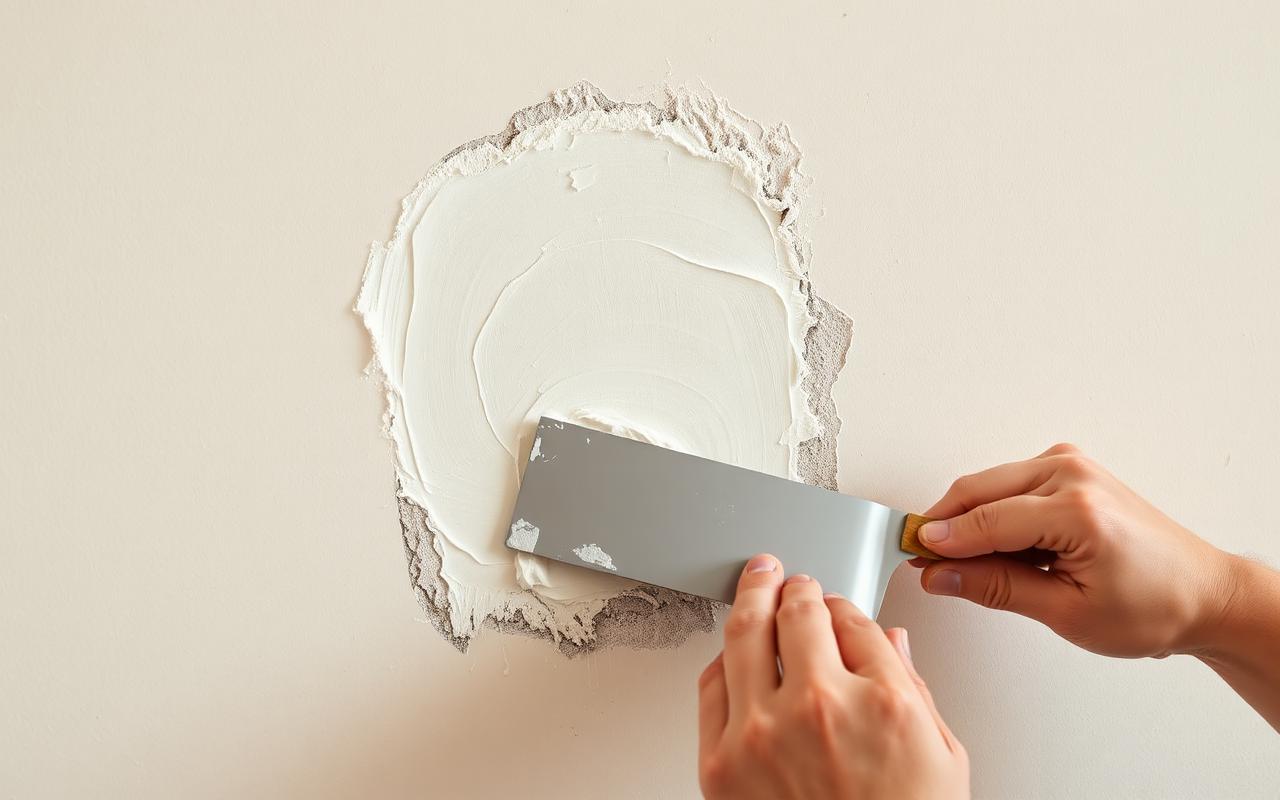
Skim coating applies thin coats of plaster or compound across the surface until it reads flat. It fixes texture, old patchwork, wallpaper damage, minor waviness and general tiredness. It does not fix what is behind the surface.
That distinction is the whole decision. If the board or plaster is sound and attached, resurfacing is efficient and far less disruptive than demolition. If the substrate is failing, a skim coat is a cosmetic layer over a problem that will come back.
Good candidates for skim coating
- —Textured or stippled ceilings that you want to read flat
- —Walls left rough and glue-stained after wallpaper removal
- —Surfaces covered in small patches from shelving, fixtures or electrical work
- —Old plaster with hairline crazing but no movement and no hollow areas
- —Rooms where removing the existing surface would disturb trim you want to keep
Signs the wall should be replaced instead
- —Plaster that sounds hollow when tapped, meaning it has separated from the lath
- —Board that is soft, crumbling or stained from ongoing water intrusion
- —Large sections that flex under hand pressure
- —Cracks that keep returning in the same place, which usually points to movement rather than surface failure
- —Walls being opened anyway for wiring, plumbing or insulation
That last point matters more than people expect. If the wall is coming apart for other trades, replacing the board is often the sensible choice even when the existing surface could technically have been saved.
Disruption, not just price
Skim coating keeps the room largely intact. Floors and openings are protected, there is dust from preparation and sanding, and the room is usable again relatively quickly. Removing plaster or board is a different level of disruption: debris, noise, exposed framing and a longer sequence of work.
For occupied homes, that difference in disruption is often the deciding factor once both options are on the table.
What the finished result looks like

A well executed skim coat gives you a flat, uniform surface ready for primer. It will not look like a new wall in a photograph and then reveal itself in person; done properly, it simply looks like a good wall. Where a skim coat can fall short is when the underlying surface has significant plane problems, deep dips or bows across a long run, because thin coats cannot rebuild geometry.
How the decision gets made
The assessment is practical. The surface is checked for adhesion, moisture and movement, the plane is checked across the run of the wall, and the existing finish is identified. Then the estimate says which approach is being priced and what is included.
Send photos taken with light raking across the wall, note the room dimensions and ceiling height, and mention anything you know about past leaks or repairs. Those details usually make the recommendation clear before anyone sets foot on site.
A middle path that often wins
The choice is rarely all or nothing across a whole house. It is common to replace board on one wall that has real damage, and skim the remaining three because they are sound. It is equally common to replace ceilings, which take the worst of any leak, while keeping and skimming the walls below them. Splitting the job that way keeps the cost tied to the actual condition of each surface rather than to a single blanket decision.
If part of the room is replaced and part is skimmed, the important detail is the junction. New board and an existing skimmed surface must end up in the same plane, or the change will read as a shadow line once the paint is on. That is a finishing question, and it should be discussed before the work starts rather than discovered afterwards.
Cost, time and disruption together
People usually compare price first, but the three factors move together. Replacement costs more in materials and waste removal, takes longer, and puts more dust and noise into the house. Skim coating costs less, moves faster, and keeps the room usable sooner, but it inherits whatever the old surface is doing. When the old surface is stable, that inheritance is fine. When it is not, the saving disappears the first time the finish moves.
The right answer is the one that leaves you with a wall you do not have to think about again. Ask for the reasoning behind the recommendation, not just the number, and the decision usually becomes straightforward.