
· 4 min read
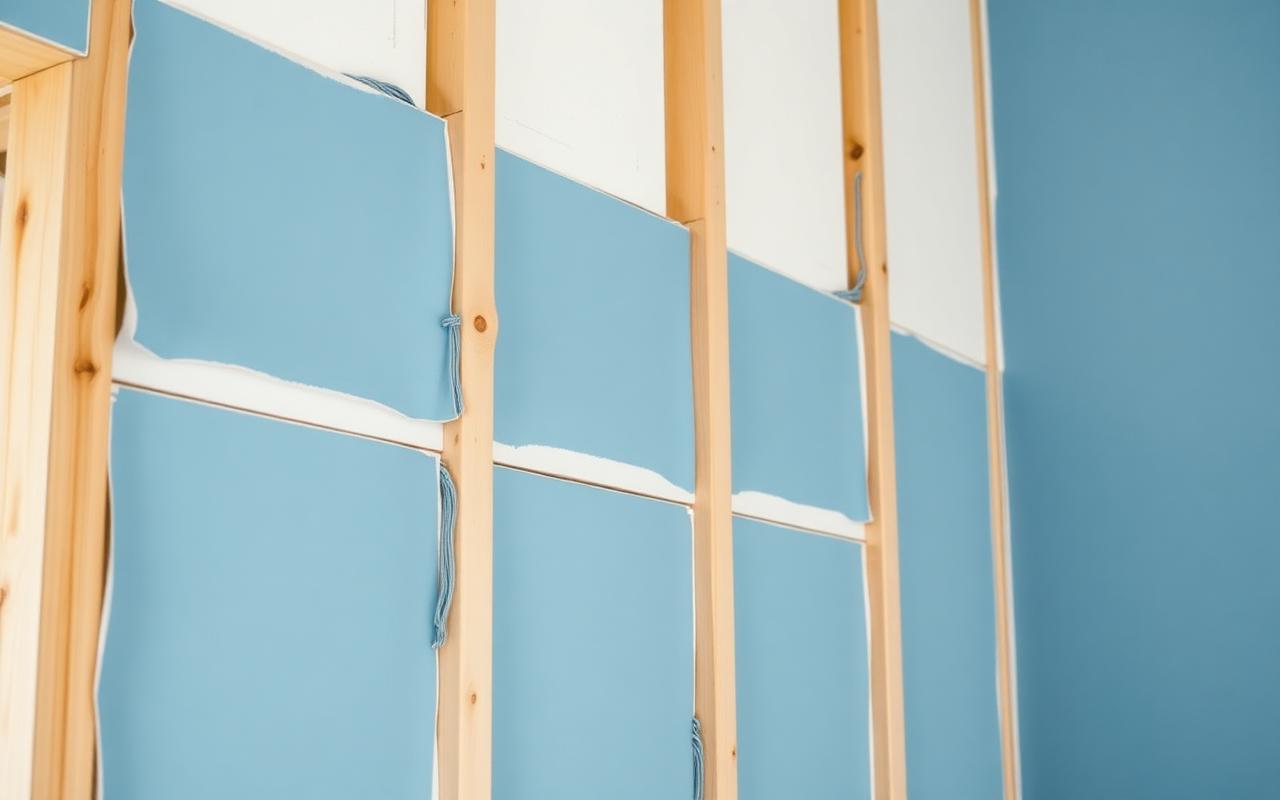
Blueboard looks like drywall from across the room. It is the same gypsum core, the same standard sheet sizes, and it hangs on framing the same way. The difference is the paper face, and that difference decides whether plaster will bond or fail.
The face is the whole point
Regular drywall has a face designed to accept paint and joint compound. It is treated to resist moisture soaking in quickly, which is exactly what you want when the surface is only going to be coated at the seams.
Blueboard has an absorbent face engineered for the opposite job. When wet plaster is applied, the face draws in moisture at a controlled rate and the plaster grips it. That bond is what allows a thin veneer coat to behave as part of the wall rather than as a layer sitting on top of it.
What happens if you plaster over regular drywall
Plaster applied directly to standard drywall does not have the same bond. Depending on conditions it can lift, craze, or release later in sheets, and the failure often does not appear until after the room has been painted and furnished. Bonding agents exist and are used in specific situations, but the reliable path is to use the board the system was designed around.
How blueboard is hung
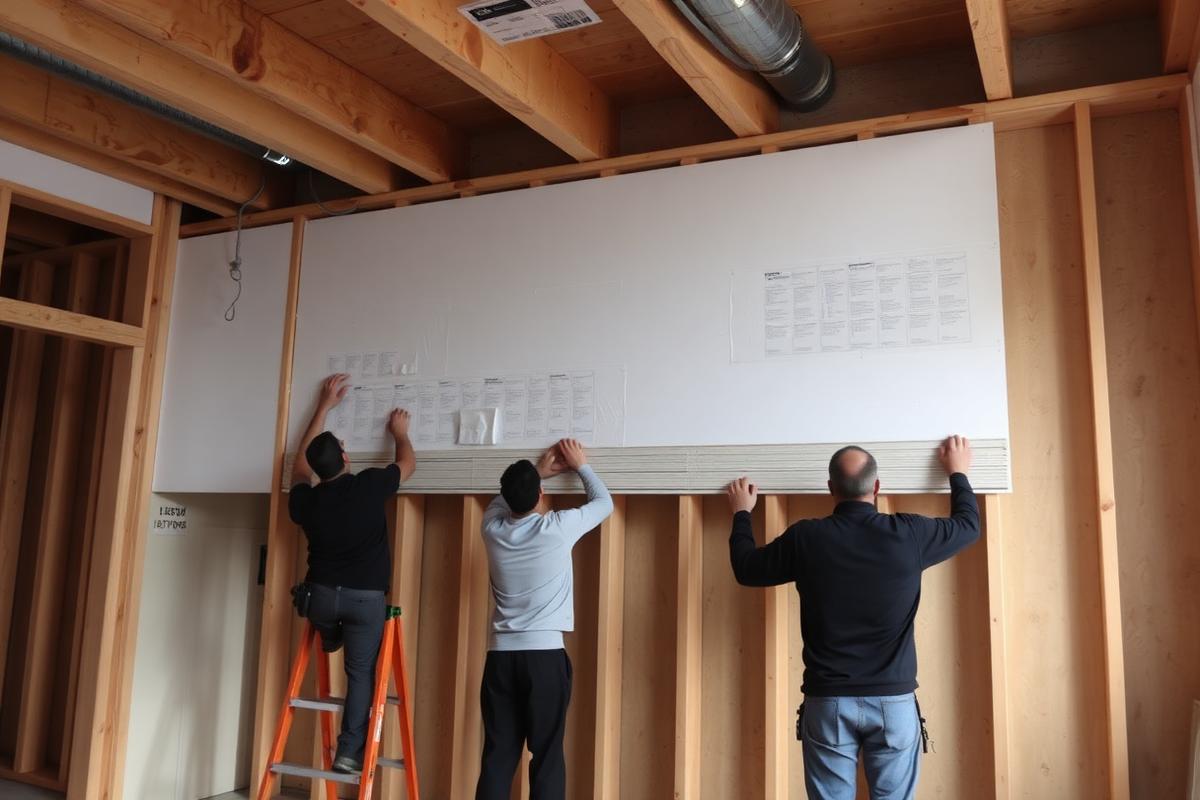
- —Sheets are laid out to keep joints away from the corners of door and window openings where cracking starts.
- —Fasteners are set at the correct spacing so no panel edge is left unsupported.
- —Corner bead and edge trim go on before plastering, because they define the lines the plaster is worked to.
- —Gaps beyond the tolerance the system allows are filled rather than bridged with plaster alone.
Hanging quality shows up in the finish. Plaster is thin. It smooths a surface, it does not rebuild a wavy one. Sheets that are hung tight and flat make the plaster stage predictable; sheets hung carelessly guarantee extra work.
Base coat and finish coat
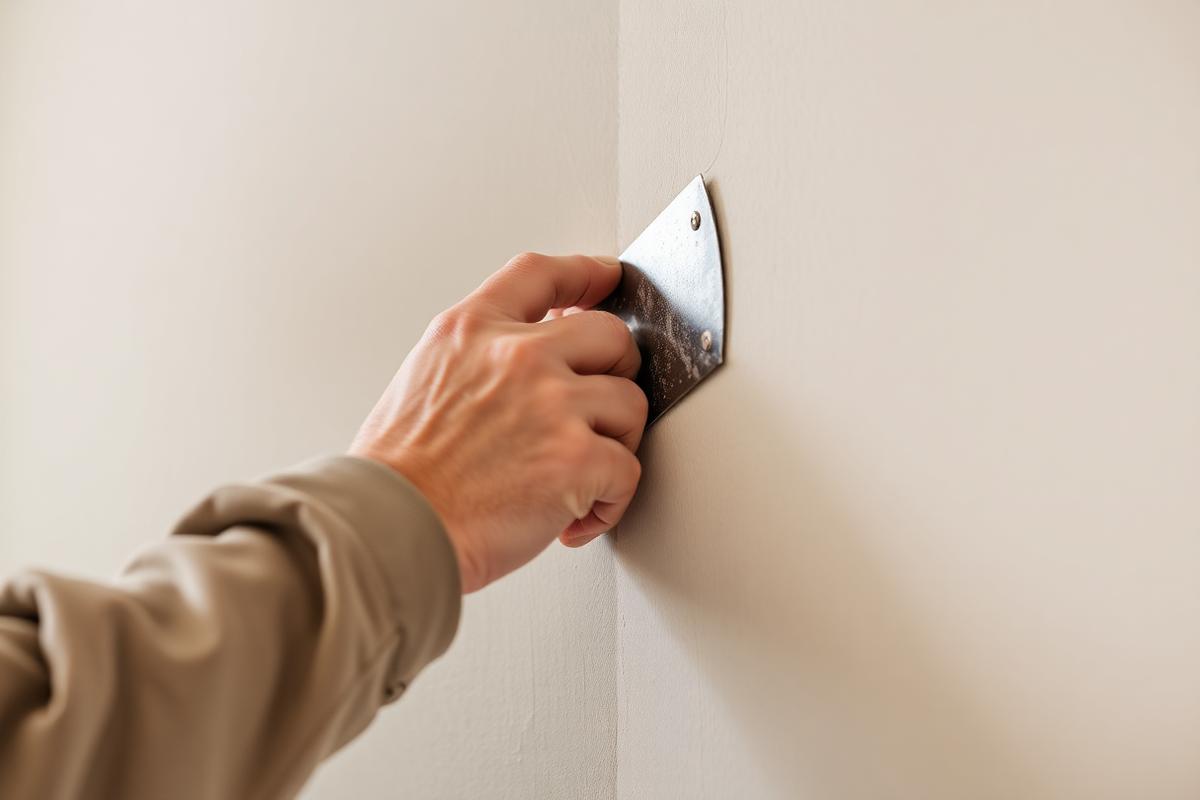
Depending on the system and the conditions, blueboard may receive a base coat before the finish coat, or a single finish veneer. The base coat adds thickness and evens out the surface. The finish coat is the one you see, troweled to a smooth, hard face.
Timing matters more than with drywall compound. Plaster sets chemically rather than only drying out, so the crew works in sections that can be completed within the working time of the material. That is one reason plastering tends to look like a fast, continuous process compared with the stop-and-start rhythm of taping.
Conditions on site
Plaster is sensitive to temperature, ventilation and moisture. A room that is too cold, or one that is sealed with no air movement, changes how the material sets and dries. Before the plastering stage, the space should be weather tight, heated within a reasonable range, and free of standing moisture.
What to send when you ask for a price
- —Photos of the framing or the rooms as they stand today
- —Rough square footage or room dimensions and the ceiling height
- —Whether rough inspections are complete
- —The town and state of the project
Blueboard and veneer plaster is a system: the right board, hung properly, coated at the right time, in a space that is ready for it. Get those parts in order and the result is a hard, flat wall that takes paint beautifully. Skip one of them and the wall will tell on you later.