
· 4 min read
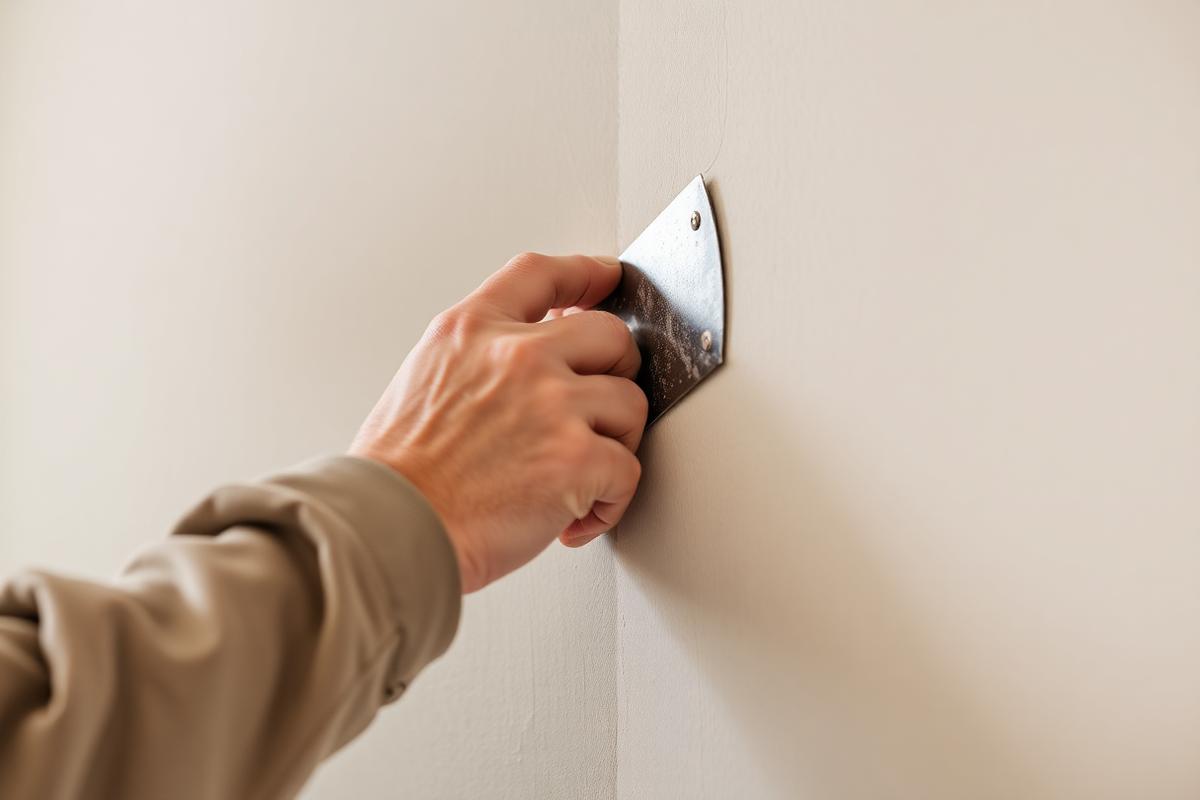
If you are planning walls for a new room, an addition or a renovation, you will be asked at some point whether you want plaster or drywall. The words get used loosely, so it helps to be clear about what each one actually is before you compare them.
What drywall means in practice
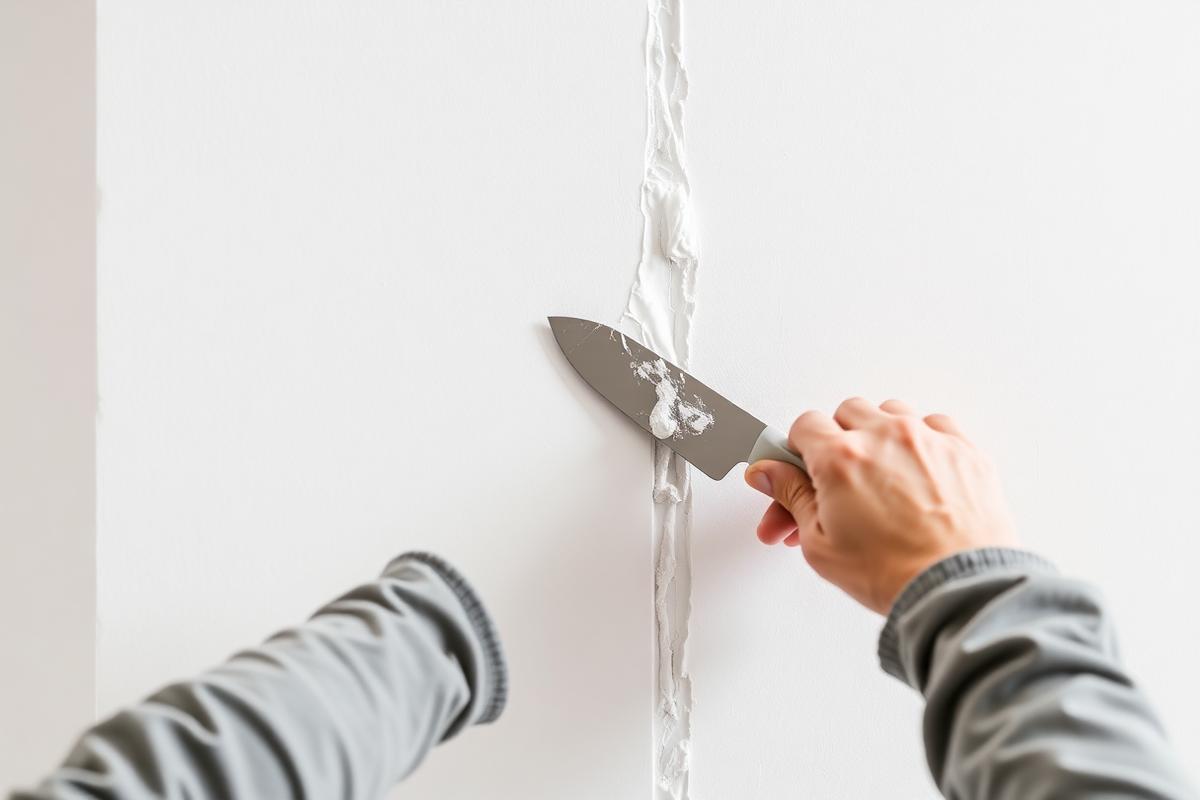
Standard drywall is gypsum board hung on framing. The board itself arrives flat and finished on the face. The work happens at the joints: tape goes over each seam, compound is built up in coats, fastener heads are covered, and the whole thing is sanded until the seams read as flat as the rest of the board.
The strength of this system is that only a small percentage of the wall is coated. It is fast, familiar and forgiving. The weakness is that the wall is made of two different materials, board face and dried compound, and under strong side light or a glossy paint that difference can show if the finishing was rushed.
What veneer plaster means in practice
Veneer plaster is a thin, hard plaster coat troweled over blueboard. Blueboard is a gypsum panel with a face designed to bond with plaster rather than with paint or compound. Instead of finishing only the joints, the plasterer covers the entire surface, so the finished wall is one continuous skin.
Because the coat is continuous, the wall behaves as a single surface. It is denser than dried joint compound, more resistant to knocks and scuffs, and it does not have the mixed-material look that can appear when a taped wall is finished quickly.
Durability
Veneer plaster is the harder surface. A shoulder brushing a hallway corner, a chair back against a dining room wall, a vacuum hitting a baseboard return: these are the everyday events that mark walls, and a cured plaster coat handles them better than compound. That is one reason plaster is still common in older New England homes and in busy commercial spaces.
Drywall is not fragile, and a properly finished drywall wall lasts for decades. But if impact resistance is high on your list, plaster has the edge.
Appearance under light

The honest test of any wall is what happens when light rakes across it late in the day. Plaster tends to hold up well because the surface is uniform. Drywall can also look excellent, but it needs a higher finish level, and sometimes a full skim, to match plaster in that condition.
If a room has a large window on one wall and a long blank wall opposite it, tell whoever is quoting the job. That single detail changes the specification more than most people expect.
Repairs
Drywall is easier to patch. Cutting out a section, backing it, taping and blending is routine work. Plaster repairs are also routine for someone who does plaster regularly, but they ask for more skill because the patch has to match a harder, continuous surface.
Cost and time
There is no universal answer here, which is why estimates are written for the actual project. Veneer plaster covers the whole surface, so material and labor are distributed differently than a taped drywall job. Site conditions, ceiling height, access and the finish level you want all move the number. Anyone quoting a fixed per-square-foot price before seeing the work is guessing.
How to choose
- —Choose veneer plaster when you want a hard, continuous surface, when you are matching existing plaster, or when the room has demanding light.
- —Choose drywall with a high-quality finish when the schedule is tight, when the room is a straightforward rectangle, or when the project is being coordinated around many other trades.
- —In many houses, both appear: plaster in the main living spaces, taped drywall in closets, utility rooms and garages.
If you are not sure which fits your project, send photos and a short description. LS Plastering & Finishes works in both systems across Massachusetts, New Hampshire, Maine and Vermont, and the estimate will say plainly which approach is being priced and why.