
· 4 min read
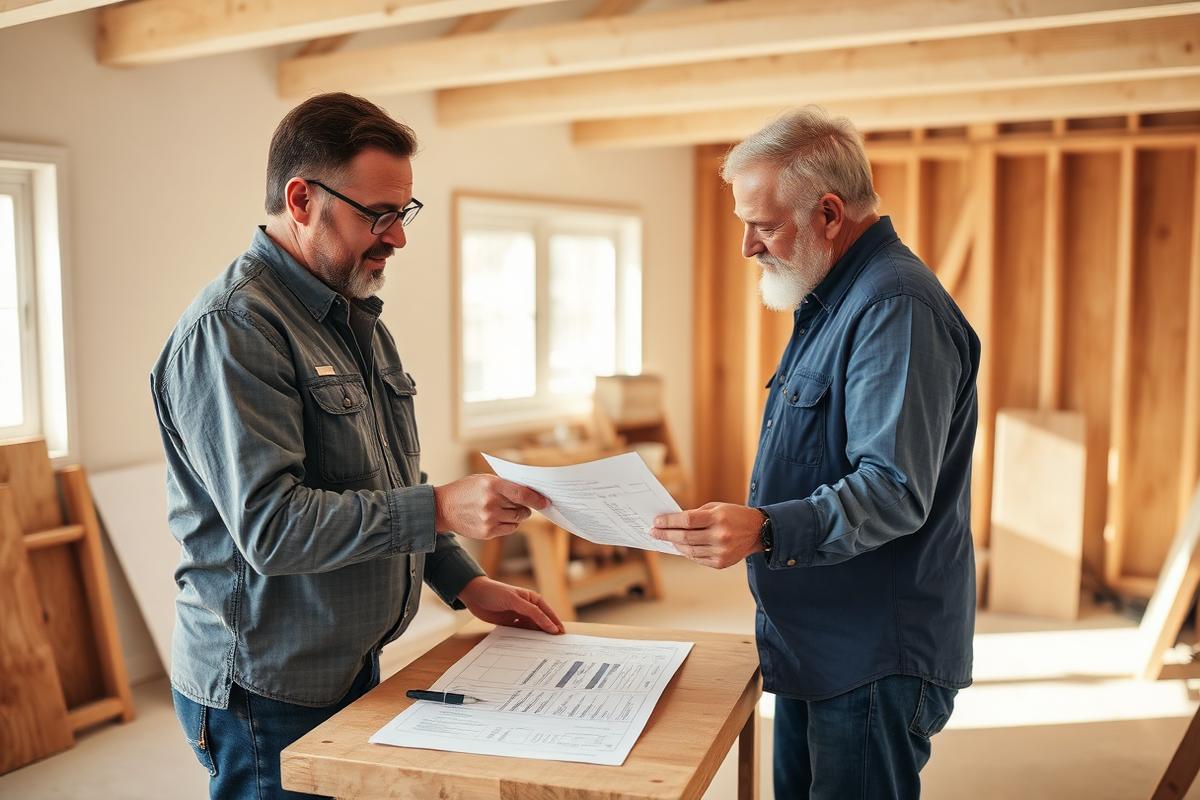
Comparing plastering estimates is difficult when each one describes the work differently. The fix is to ask the same questions of everyone and see whose answers are specific. Here are the ones that matter.
What exactly is included?
An estimate should name the scope: which rooms, which surfaces, hanging or finishing or both, what level of finish, and what happens at the edges and corners. If the estimate is one line with one number, ask for the breakdown before comparing it to anything.
What is not included?
Just as useful. Priming and painting, trim removal and reinstallation, disposal of existing material, and repairs to anything discovered once a surface is opened are the usual exclusions. Knowing them up front stops the number moving later for reasons that were always predictable.
Are you insured?
Ask directly and expect a direct answer. LS Plastering & Finishes is fully insured. Asking the question costs nothing and tells you something about how a business is run.
Who will actually be on site?
It is reasonable to ask whether the person quoting will be present, whether a crew will be working, and who to contact during the job. What matters is that the answer is clear and that there is a named point of contact, not that any particular person holds every trowel.
How will you protect the space?
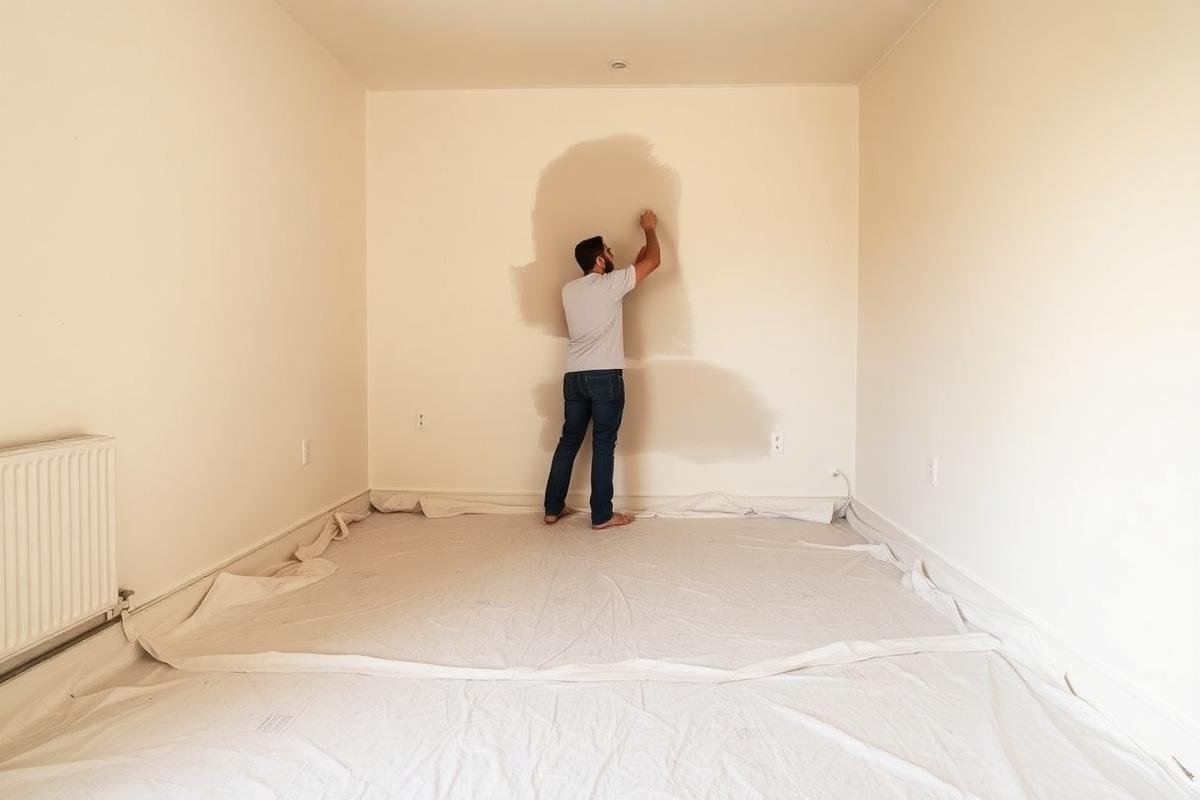
For occupied homes this is the question people forget and regret. Ask how floors and openings are covered, how dust is handled during sanding, where materials will be mixed, and what the space will look like at the end of each day.
What preparation do you need from me?
A good contractor will tell you what to move, what conditions the room needs and what other trades must finish first. Vagueness here often turns into delay later.
What could change the price?
Honest answers exist: material found to be unsound once a surface is opened, water damage larger than it appeared, framing that needs correction, or a change in the finish level you request. Being told nothing could possibly change is not reassurance, it is a warning.
How is the surface left for the painter?
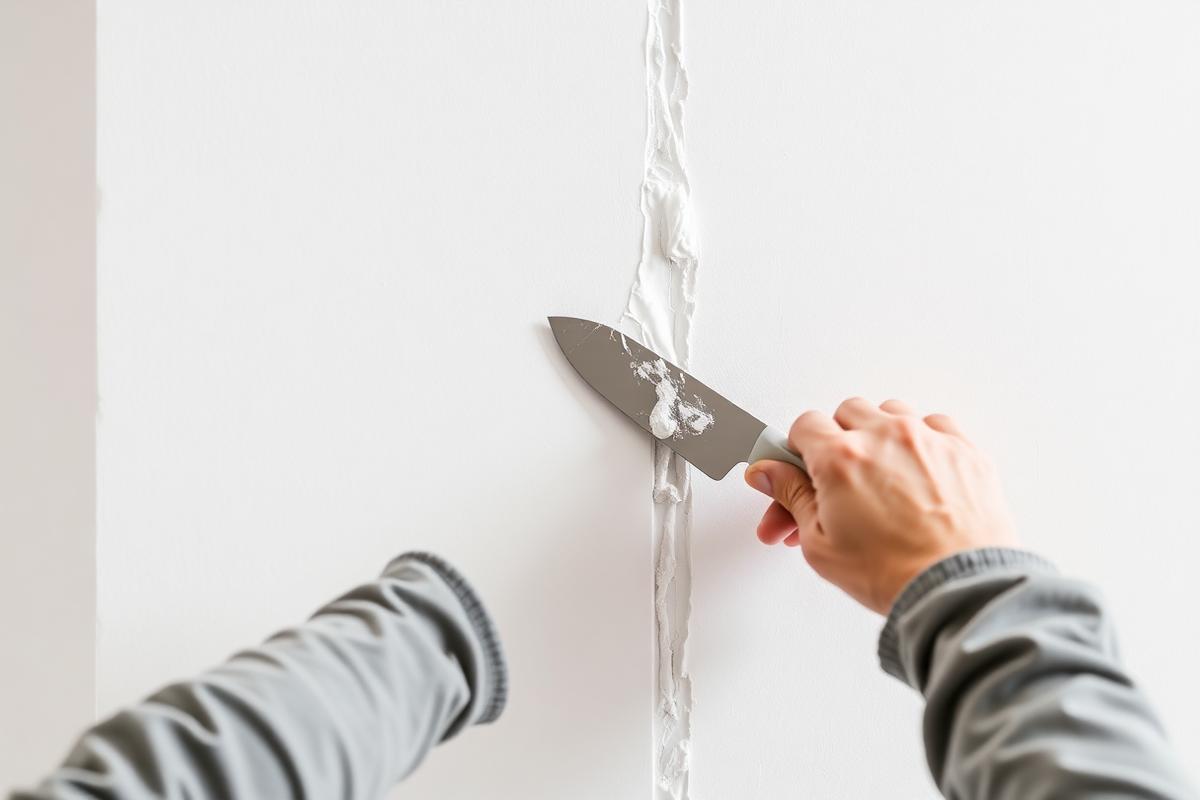
Plaster and compound both need to be ready before primer. Ask what state the surface will be in at handover and what the painter should wait for. Coordinating that conversation early prevents the classic argument in which two trades blame each other for the same wall.
Can you explain why you are recommending this approach?
This is the single most revealing question. Whoever is quoting should be able to say, in plain language, why skim coating rather than replacement, or level 5 rather than level 4, or plaster rather than taped drywall, for your specific room. If the reasoning makes sense to you as a non-specialist, that is a good sign.
A note on price alone
The lowest number is only meaningful if it covers the same work. Two estimates that differ by a third often differ in finish level, in preparation, or in what happens when something unexpected turns up. Read the scope, then compare.
If you would like an estimate written this way, send photos, rough measurements, your town and state, and a short description of the result you want. Estimates from LS Plastering & Finishes are free and specific to the actual project.