
· 4 min read
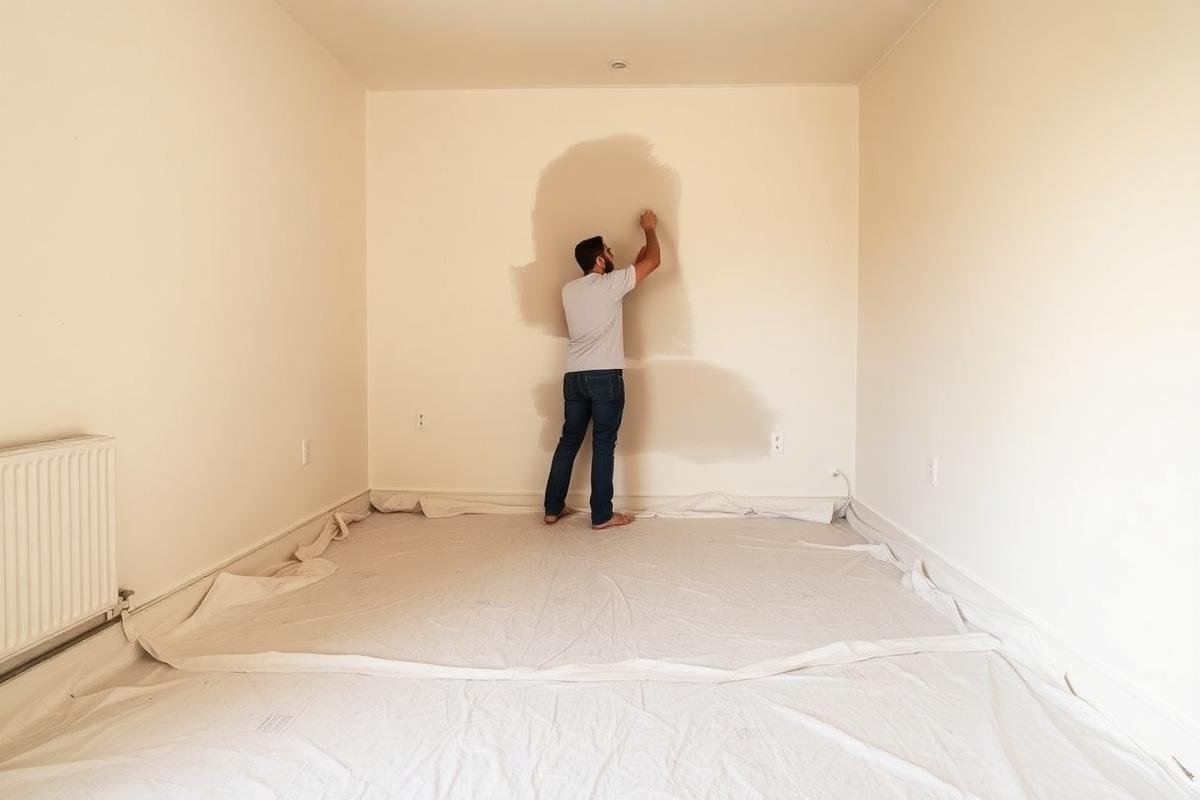
Plastering goes faster and finishes better in a room that has been prepared. Some of that preparation is the crew's responsibility, and some of it is far easier for you to handle before anyone arrives. Here is a straightforward split.
What to clear out

- —Furniture, rugs and anything freestanding. If it cannot leave the room, group it in the center for covering.
- —Wall hangings, mirrors, shelves and curtain hardware, including the brackets.
- —Electronics, books and soft furnishings, which hold dust and are hard to clean afterwards.
- —Fragile or valuable items, without exception. A working room is not the place for them.
Anything left in place should be things you are comfortable seeing under a dust sheet for the length of the job.
Access and services
Crews need a clear route from the entrance to the room, somewhere to mix and set down materials, water access, and working power. Let the crew know in advance about parking restrictions, stairs, elevator bookings in a building, alarm codes, pets in the house, or hours you need respected.
If a room has been isolated at the panel for electrical work, say so before the day rather than on the day.
Work that should already be finished
Plaster and drywall are the closing stage of the rough construction sequence. Before it starts, the following should be complete:
- —Electrical, plumbing and HVAC rough-in, plus any required inspections
- —Insulation where it is going in
- —Windows and exterior doors installed so the space is weather tight
- —Any structural or framing corrections
- —Repairs to the source of any past leak, not just the damaged surface
Discovering an unfinished rough-in after board is hung means opening the wall again, which costs more than waiting a few days would have.
Temperature and ventilation
Plaster sets and dries as a chemical and physical process, and conditions influence both. A room that is very cold slows everything and can affect the finish. A room sealed tight with no air movement holds moisture and delays drying. In practice that means having heat available in cold months and being willing to allow controlled ventilation.
Dust: realistic expectations
Preparation, sanding and clean up all create dust. Protection reduces it substantially but no plastering job is dust free. Doorways get sealed, floors get covered, and the area is cleaned at the end. It still helps to close doors to adjoining rooms, turn off forced-air systems during sanding where practical, and keep sensitive items out of the way.
During the work
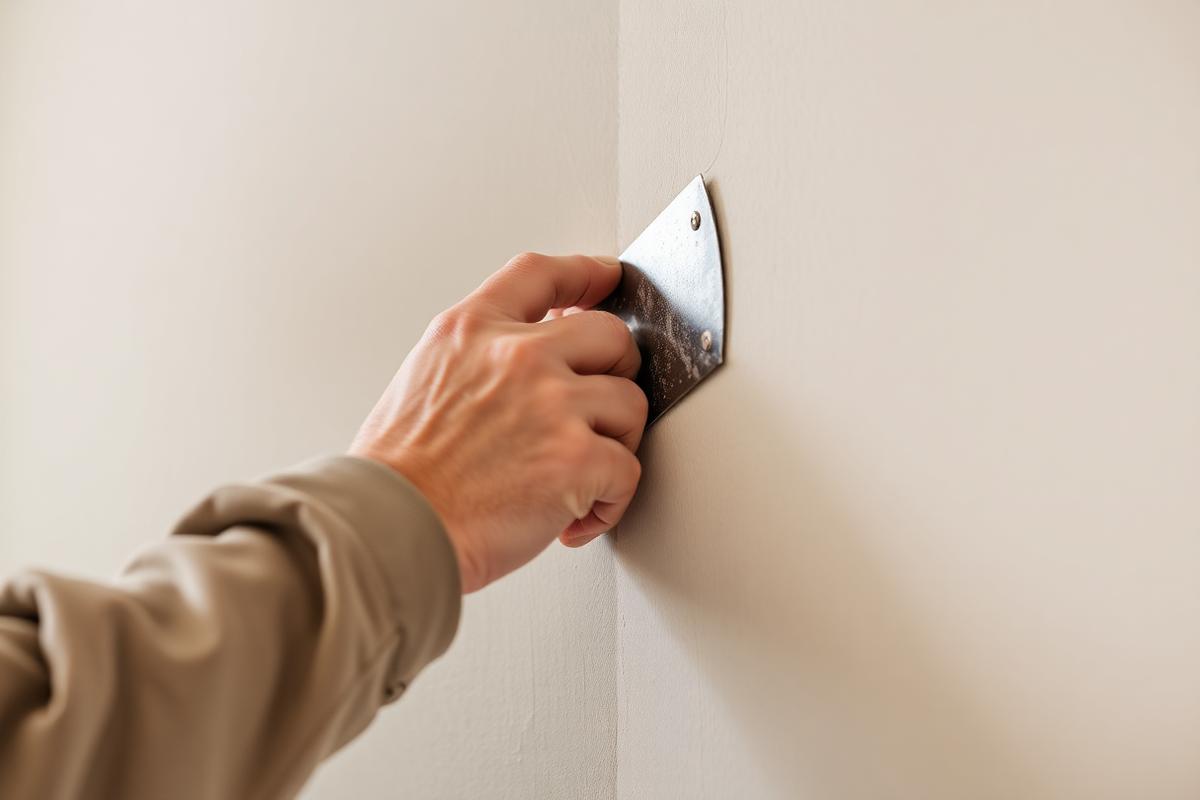
Fresh plaster and fresh compound are soft. Keep pets and children out of the room, avoid leaning anything against a new surface, and resist testing whether it is dry with your hand. Ask before opening windows wide; sometimes airflow helps and sometimes it dries a surface unevenly.
After the finish
New plaster and new compound both need time before paint, and the painter should follow the paint manufacturer's guidance for new surfaces. Rushing primer onto a surface that is not ready is one of the most common causes of a disappointing paint job on otherwise good walls.
If you are unsure whether your room is ready, send photos with your estimate request. It is a normal question, and answering it early keeps the schedule realistic.